
Are you ready to discover how to get into human resources jobs and build a thriving career? This guide provides the exact steps needed to launch your journey today.
This comprehensive guide explains everything you need to know about launching a successful career in human resources. You will learn about essential skills, valuable certifications, networking strategies, and how to leverage your existing experience to secure lucrative and fulfilling HR positions across any industry.
Understanding the Human Resources Landscape
Human resources is the backbone of any successful organization. Professionals in this field balance the needs of the business with the well-being of its employees. They manage recruitment, handle employee relations, administer benefits, and ensure compliance with complex labor laws.
If you enjoy solving problems, communicating with diverse groups of people, and organizing large-scale projects, human resources might be your perfect match. The field offers immense variety, allowing you to specialize in areas like talent acquisition, compensation analysis, or corporate training.
The demand for skilled HR professionals continues to grow. Companies realize that their greatest asset is their people, and they need dedicated experts to manage that asset. This growing demand means there are countless opportunities for motivated individuals to enter the field and build long-lasting, lucrative careers.
Essential Skills Needed for HR Success
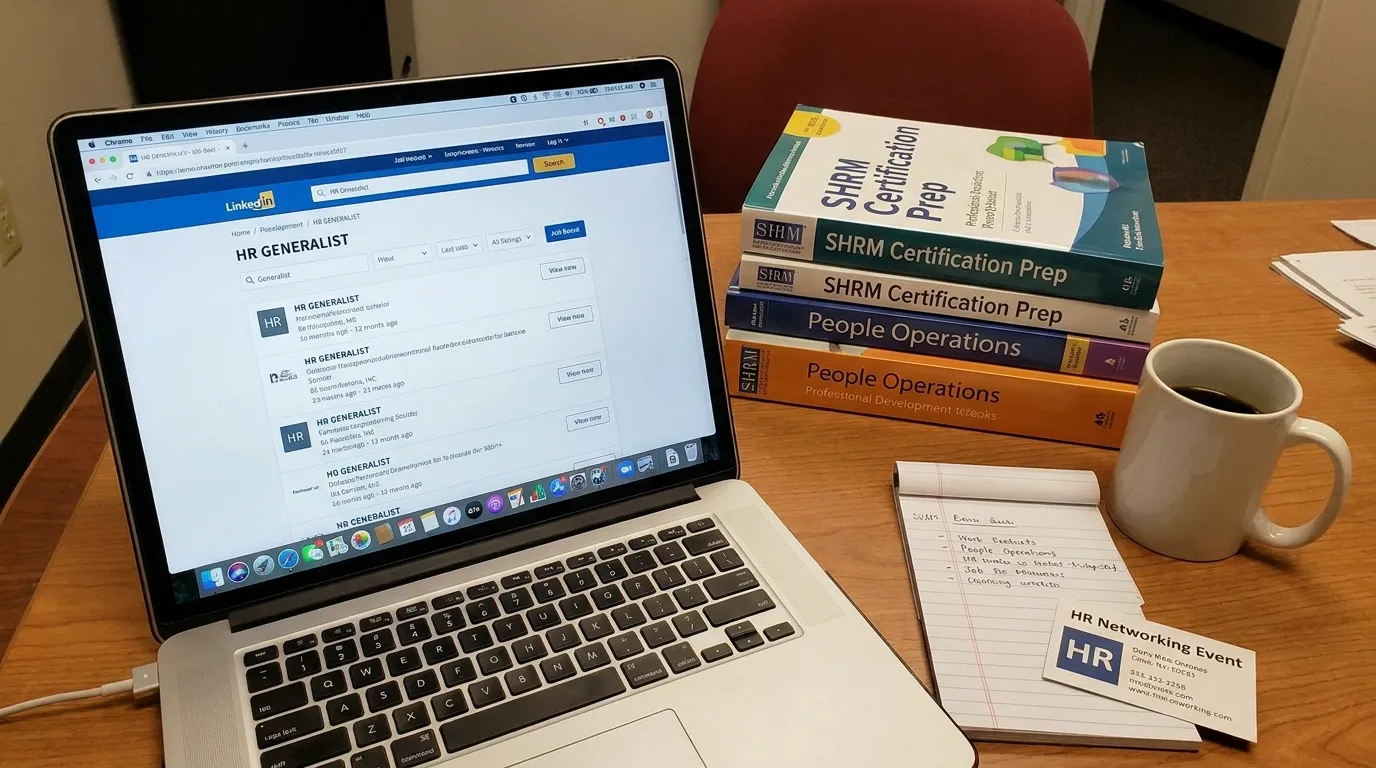
Before applying for positions, you must understand the skills employers desperately want. HR requires a unique blend of interpersonal abilities and technical knowledge.
Soft Skills That Matter Most
Empathy and active listening top the list of necessary soft skills. You will routinely handle sensitive employee issues, requiring a calm, objective, and compassionate approach. Strong conflict resolution skills are also mandatory, as you will often mediate disputes between staff members or management.
Communication is arguably the most critical skill. You must write clear company policies, explain complex benefits packages, and speak confidently during interviews. Time management and extreme attention to detail are also required to keep payroll, legal compliance, and onboarding processes running smoothly.
Technical and Hard Skills
Modern HR relies heavily on technology. You should be comfortable learning Human Resources Information Systems (HRIS) like Workday, BambooHR, or ADP. Familiarity with applicant tracking systems (ATS) is also highly beneficial for anyone interested in recruiting or talent acquisition.
Understanding basic employment law is a massive advantage. While you do not need a law degree, knowing the fundamentals of the Fair Labor Standards Act (FLSA), Family and Medical Leave Act (FMLA), and equal opportunity regulations will make you a much stronger candidate.
Breaking In: How to get into human resources jobs with no experience

Many people assume they need years of corporate background to start, but learning how to get into human resources jobs with no experience is entirely possible if you leverage the right strategies.
Leverage Transferable Skills
You likely already possess skills that translate perfectly to HR. Have you worked in retail management, customer service, or project coordination? These roles require conflict resolution, schedule management, and clear communication. Highlight these transferable skills on your resume. When a hiring manager sees that you can handle difficult customers, they know you can handle employee relations.
Strategic Networking
Understanding how to get a job in human resources without experience heavily involves networking. Join local chapters of the Society for Human Resource Management (SHRM) or similar professional associations. Attend industry conferences, participate in online forums, and connect with established professionals on LinkedIn. Many entry-level positions are filled through referrals rather than public job boards.
Volunteering and Internships
If you are wondering how to get into human resources jobs without experience, consider offering your skills for free initially. Volunteer to help a local non-profit organize their volunteer schedules or update their handbook. Applying for internships is another excellent way to gain hands-on knowledge. Even a few months of practical exposure makes your resume significantly more attractive to corporate recruiters.
The Education Equation: How to get into human resources jobs without a degree

While many professionals hold bachelor’s degrees, exploring how to get into human resources jobs without a degree reveals multiple alternative pathways to success.
Certifications Over College
Figuring out how to get into HR without a degree usually comes down to earning respected industry certifications. Organizations like the HR Certification Institute (HRCI) offer credentials specifically designed for beginners. The Associate Professional in Human Resources (aPHR) is a fantastic starting point because it does not require prior HR experience or a college degree to take the exam.
Passing a rigorous certification exam proves to employers that you possess foundational knowledge. It shows dedication to the profession and a willingness to invest in your own development. Combine a certification with strong administrative skills, and you will quickly bypass candidates who only have generic college degrees.
Comparison Table: HR Certifications vs. Traditional Degrees
|
Feature |
HR Certification (e.g., aPHR) |
Traditional Bachelor’s Degree |
|---|---|---|
|
Time to Complete |
2 to 4 months |
4 years |
|
Cost |
$300 to $500 |
$40,000+ |
|
Focus |
Highly specific practical HR knowledge |
Broad academic and general education |
|
Experience Needed |
None (for entry-level certs) |
None |
This comparison shows that certifications offer a fast, cost-effective route to proving your competence in the field.
Navigating the Job Market for Entry level HR jobs
Once you have your skills and certifications in order, it is time to target entry level HR jobs that will serve as your launching pad.
Top Entry-Level Roles to Target
Do not apply for HR Manager positions right away. Instead, look for titles like Human Resources Assistant, HR Coordinator, or Recruiting Coordinator. These roles focus on the administrative side of the department. You will schedule interviews, process background checks, manage employee files, and assist with new hire orientation.
Working as a Payroll Clerk or Benefits Assistant is another excellent entry point. These highly analytical roles teach you the backend operations of employee compensation. Many professionals start in payroll and gradually transition into generalist roles as they learn more about the broader department functions.
Crafting the Perfect HR Resume
Your resume must reflect your organizational skills. HR professionals read thousands of resumes; if yours is messy or contains typos, you will be rejected immediately. Tailor your document to highlight administrative efficiency, confidentiality, and any specific software proficiencies you possess.
Use power words like “coordinated,” “facilitated,” and “resolved” to describe your past achievements. Ensure your resume clearly states your career objective and highlights any relevant coursework, certifications, or volunteer experiences that relate directly to human resources.
Common Mistakes to Avoid When Applying for HR Roles
Many eager candidates sabotage their chances by making easily avoidable errors. First, avoid using overly generic cover letters. HR managers can spot a copy-and-pasted template instantly. You must customize your application to address the specific needs and culture of the company you are applying to.
Second, do not underestimate the importance of confidentiality during your interview. If a recruiter asks you to describe a time you handled a difficult situation, never reveal sensitive information or use real names from your previous employer. Demonstrating a lack of discretion is the fastest way to lose an HR job offer.
Finally, do not neglect follow-up communications. Human resources requires exceptional follow-through. Send a polite, well-written thank-you email within twenty-four hours of your interview. This small gesture reinforces your professionalism and keeps you top-of-mind with the hiring team.
Expert Insights and Pro Tips for HR Candidates
To truly stand out, you must understand the business behind the business. The best HR professionals do not just enforce rules; they act as strategic partners to the executive team. Before an interview, research the company’s financial health, their recent product launches, and their main competitors.
During your interview, ask questions about how the HR department supports the company’s broader financial goals. Show that you understand that effective hiring and retention directly impact the bottom line. This strategic mindset is rare among entry-level candidates and will massively impress hiring managers.
Another pro tip is to familiarize yourself with the Society for Human Resource Management. Reading their free articles and reports will keep you updated on the latest workplace trends, labor laws, and management philosophies, allowing you to speak intelligently about current industry challenges.
Building Your Professional Brand
In human resources, your professional brand is your currency. Cultivate a strong presence on LinkedIn. Share insightful articles about workplace culture, comment on industry trends, and highlight your ongoing education. Recruiters frequently search LinkedIn for potential candidates, and an active, professional profile acts as a passive lead generation tool for your career.
Ensure your digital footprint is immaculate. Because you will be the one conducting background checks on future employees, your own background must be spotless. Audit your public social media profiles and remove anything that could be considered unprofessional or controversial.
Preparing for the HR Interview
HR interviews are notoriously rigorous because the interviewers are experts at interviewing. You will likely face behavioral questions designed to test your emotional intelligence and ethical judgment. Use the STAR method (Situation, Task, Action, Result) to structure your answers clearly and concisely.
Expect questions like, “Tell me about a time you disagreed with a company policy,” or “How would you handle an employee who confides in you about a hostile manager?” Your answers should always balance empathy for the employee with strict adherence to legal and company guidelines. For additional guidance on mastering complex corporate interviews, consider reviewing resources from Harvard Business Review.
By showcasing your reliability, your eagerness to learn, and your unshakeable integrity, you will prove that you have exactly what it takes to succeed in this vital profession.
Conclusion
Understanding how to get into human resources jobs is about combining transferable skills, targeted certifications, and relentless networking. Whether you have a degree or are starting from scratch, the HR field offers incredible opportunities for those willing to put in the effort. Start optimizing your resume today, connect with local professionals, and take the first step toward your new career!
Frequently Asked Questions
1. What is the best certification for someone new to human resources?
The Associate Professional in Human Resources (aPHR) is widely considered the best certification for beginners because it requires no prior HR experience or college degree to take the exam.
2. Can I transition into human resources from customer service?
Yes. Customer service requires conflict resolution, active listening, and clear communication—all of which are essential transferable skills for human resources positions.
3. What is the typical starting salary for an entry-level HR job?
Salaries vary heavily by location and industry, but most entry-level roles like HR Assistants or Coordinators typically offer starting salaries between $45,000 and $55,000 per year.
4. Do I need to be an extrovert to succeed in human resources?
No. While you must communicate effectively, introverts often excel in HR because they tend to be exceptional listeners, highly observant, and very detail-oriented, which is perfect for benefits administration and compliance.
5. How important is it to know employment law?
It is extremely important. While you do not need to be a lawyer, understanding the basics of the FLSA, FMLA, and equal opportunity laws is crucial for protecting the company and its employees.
6. Should I start in recruiting or as a generalist?
Starting as a recruiting coordinator is often easier because turnover in those roles is higher. However, a generalist assistant role provides broader exposure to all aspects of the department, making it better for long-term growth.
7. How can I gain HR experience while working another job?
You can gain experience by asking your current manager to let you assist with scheduling, training new hires, or organizing team-building events. You can also volunteer for non-profits needing administrative help.
8. What software should I learn to boost my HR resume?
Familiarize yourself with popular Human Resources Information Systems (HRIS) like Workday, BambooHR, or ADP. Many of these platforms offer free overview tutorials on their websites or on YouTube.
9. Is human resources a stressful career?
It can be stressful, as you frequently deal with employee conflicts, terminations, and legal compliance. However, it is also highly rewarding because you have the power to positively shape company culture and help people advance their careers.
10. How long does it take to move from an assistant to a manager role?
With dedicated effort, continuous learning, and proper certifications, many professionals move from an entry-level assistant to a mid-level management role within five to seven years.