
Are you ready to launch a rewarding career focused on people and organizational success? Learning how to get a job in HR requires strategic planning, relevant skills, and determination.
If you want to build a thriving career, this comprehensive guide provides exactly what you need. We cover essential certifications, entry-level roles, resume optimization, and interview preparation. You will discover actionable strategies to gain experience, build a professional network, and successfully secure your dream role in human resources.
Understanding the Human Resources Landscape
Human resources represents the backbone of any successful organization. Professionals in this field manage the entire employee lifecycle, from recruitment and onboarding to performance management and offboarding. Before diving into the application process, you must understand the diverse opportunities available within the industry.
What Does an HR Professional Actually Do?
Many people mistakenly believe human resources only involves hiring and firing. In reality, the role encompasses a wide variety of strategic and administrative duties. You might find yourself resolving workplace conflicts, developing training programs, analyzing compensation data, or shaping company culture. The specific responsibilities depend heavily on the size of the company and your chosen specialty. Working in this field requires a balance of empathy, business acumen, and strict adherence to employment laws.
Top Entry-Level HR Roles to Consider
When you begin your job search, targeting the right positions drastically increases your chances of success. Most professionals start in supportive or administrative roles to learn the foundational processes.
|
Role Title |
Core Responsibilities |
Ideal For |
|---|---|---|
|
HR Assistant |
Managing employee records, answering basic inquiries, and supporting daily operations. |
Recent graduates and career changers needing fundamental experience. |
|
Recruiting Coordinator |
Scheduling interviews, managing applicant tracking systems, and communicating with candidates. |
Highly organized individuals with strong interpersonal skills. |
|
HR Coordinator |
Assisting with onboarding, processing payroll, and supporting employee engagement initiatives. |
Detail-oriented professionals looking for a generalist path. |
|
Benefits Administrator |
Explaining benefits packages, managing enrollment, and liaising with insurance providers. |
Analytical thinkers who enjoy working with data and compliance. |
Essential Skills Needed for an HR Career
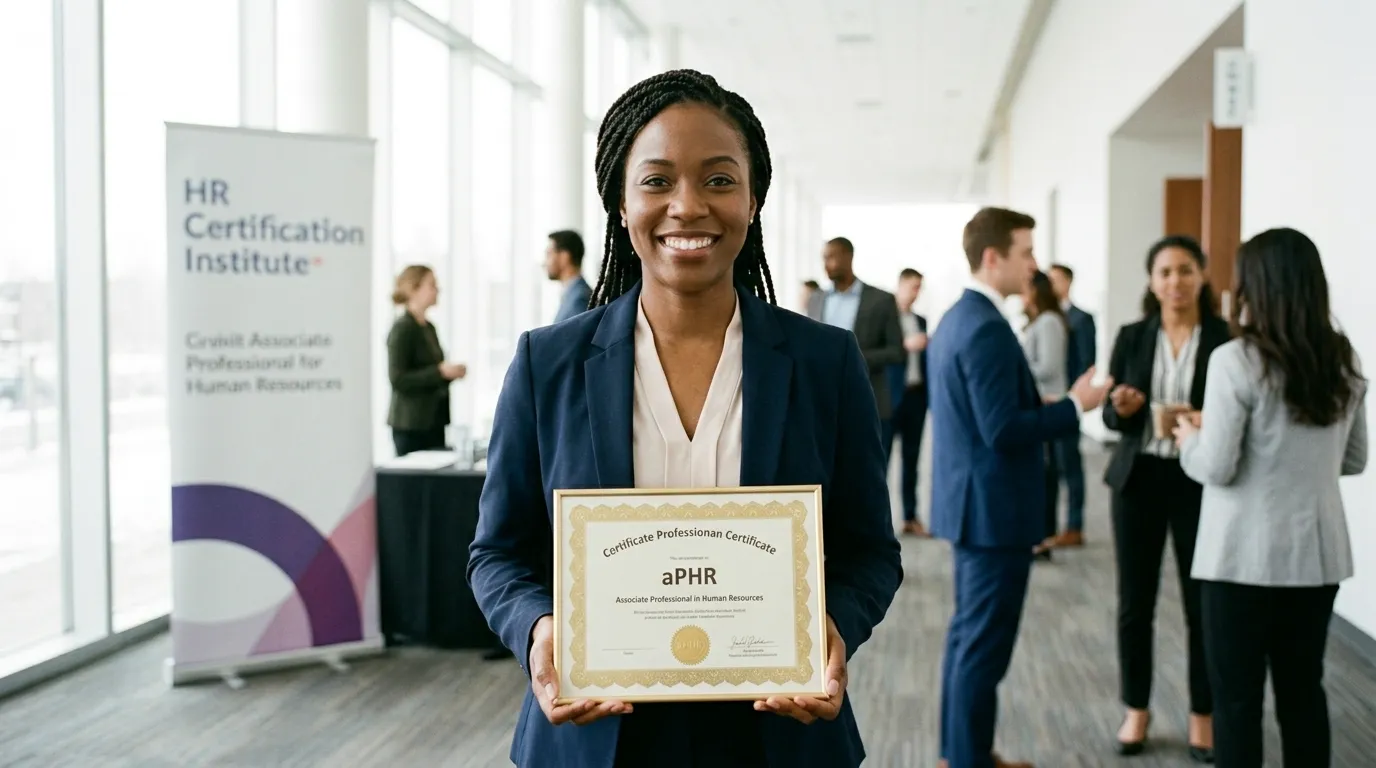
To stand out in a competitive job market, you must possess a unique blend of soft and hard skills. Hiring managers look for candidates who can navigate complex interpersonal dynamics while managing technical administrative systems.
Core Soft Skills
Working with people requires immense emotional intelligence. You need exceptional communication skills to explain policies clearly and mediate conflicts effectively. Empathy allows you to understand employee concerns, while discretion ensures you handle sensitive information appropriately. Furthermore, strong problem-solving abilities help you navigate unprecedented workplace challenges and design effective organizational solutions.
Must-Have Technical Skills
Modern human resources departments rely heavily on technology. You should familiarize yourself with Human Resources Information Systems (HRIS) and Applicant Tracking Systems (ATS). Understanding basic data analytics also gives you a significant advantage, as companies increasingly use data to drive their hiring and retention strategies. Check out the Society for Human Resource Management (SHRM) for resources on the latest HR technologies and industry standards.
Building Your Qualifications (With or Without a Degree)
You might wonder if you need a specific degree to enter the field. While formal education helps, you can successfully transition into human resources through various paths.
Formal Education and Certifications
Many employers prefer candidates with a bachelor’s degree in human resources, business administration, or psychology. However, obtaining professional certifications often proves just as valuable. Certifications like the SHRM-CP or the Professional in Human Resources (PHR) demonstrate a deep commitment to the profession. These credentials validate your knowledge of employment law, ethical practices, and strategic management.
Transitioning from Another Field
If you lack a formal degree in the field, you can leverage your transferable skills. Professionals in customer service, administration, and education already possess the communication and organizational abilities necessary for HR. Focus on highlighting how your previous experience aligns with core HR competencies. For example, if you managed customer complaints, you already understand conflict resolution. If you trained new team members, you have experience in employee development. Exploring career development strategies can help you seamlessly pivot your existing expertise into a new industry.
Gaining Practical Experience

Experience remains the most critical factor for hiring managers. Even if you lack direct HR titles on your resume, you can build relevant experience through alternative avenues.
Internships and Volunteer Work
Internships provide invaluable hands-on experience and expose you to the daily realities of the job. If you cannot secure a formal internship, consider volunteering for non-profit organizations. Many charities need help writing job descriptions, screening volunteers, or organizing training sessions. This volunteer work builds your resume and proves your dedication to the field.
Leveraging Your Current Role
You do not necessarily need to leave your current job to gain HR experience. Speak with your manager about taking on HR-adjacent responsibilities. You could offer to lead the onboarding process for new hires in your department, organize team-building events, or help screen resumes for open positions. Document these achievements carefully so you can feature them in your future job applications.
Crafting a Winning Resume and Cover Letter
Your resume serves as your first impression. To capture a recruiter’s attention, you must tailor your application materials to highlight relevant achievements rather than just listing past duties.
Use active verbs and quantify your results whenever possible. Instead of saying “helped hire people,” write “coordinated the interview process for 50+ candidates, reducing time-to-hire by 15%.” Ensure you incorporate keywords from the job description to pass through automated applicant tracking systems. A well-crafted cover letter allows you to explain your passion for organizational culture and detail how your specific background prepares you for the role. Mastering interview preparation techniques starts with knowing your resume inside and out.
Networking and the Hidden Job Market
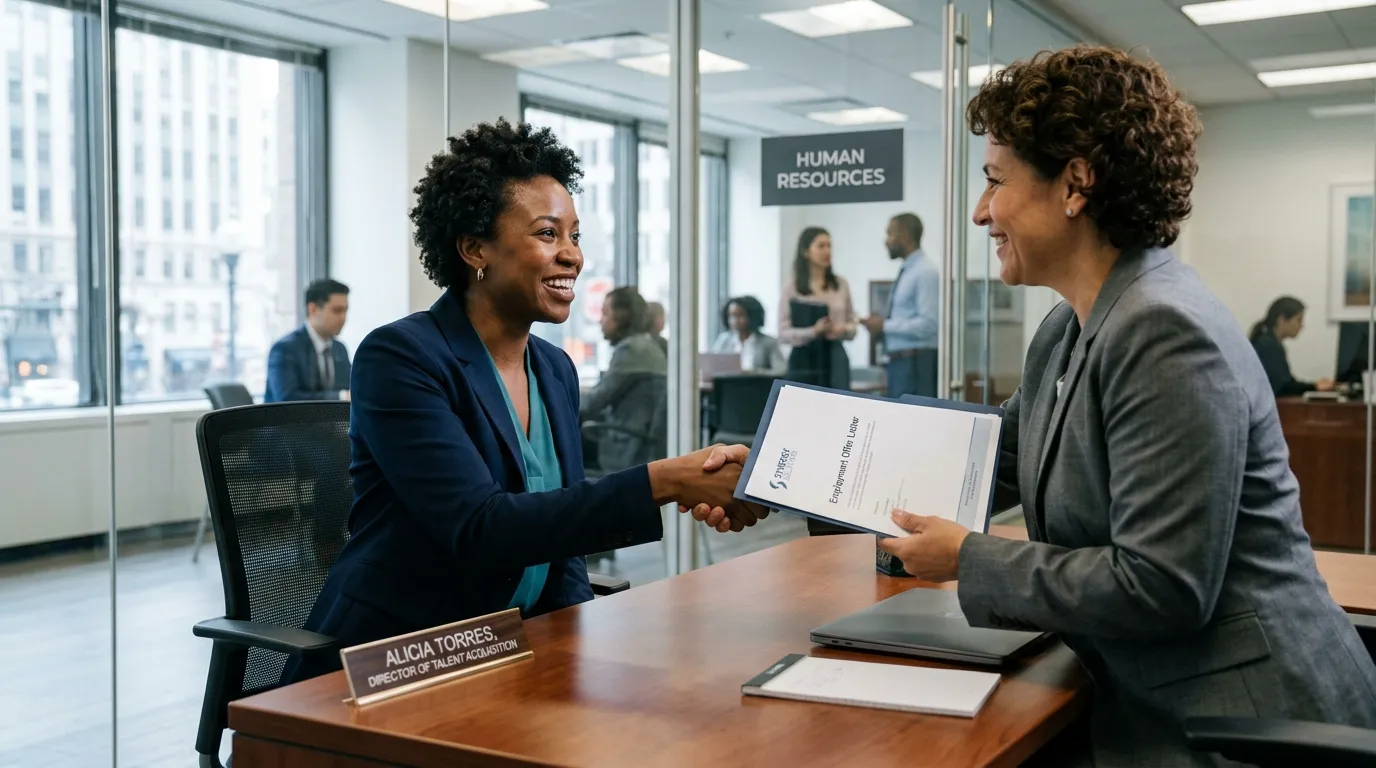
Many human resources positions never make it to public job boards. Companies frequently fill these roles through internal referrals and professional networks.
You must actively build relationships within the industry. Attend local HR association meetings, join professional LinkedIn groups, and participate in industry webinars. Do not simply ask people for jobs; instead, ask for informational interviews to learn about their career paths. Building genuine connections often leads to unexpected job opportunities. For networking best practices, the Academy to Innovate HR (AIHR) offers excellent insights into connecting with fellow professionals. Actively building a professional network ensures you stay informed about industry trends and unadvertised openings.
Nailing the HR Interview
When you secure an interview, you face a unique challenge: you must impress the very people who interview candidates for a living. They will scrutinize your communication style, professionalism, and cultural fit.
Prepare extensively for behavioral questions. Interviewers want to know how you handle conflict, manage confidentiality, and approach diversity and inclusion. Use the STAR method (Situation, Task, Action, Result) to structure your answers clearly and concisely. Additionally, prepare thoughtful questions to ask the interviewer about their company culture and onboarding processes. This demonstrates your strategic thinking and genuine interest in the organization.
Pro Tips and Expert Insights
To accelerate your job search and stand out from the competition, apply these expert strategies:
- Cultivate a specific niche: While generalist knowledge helps initially, developing expertise in a high-demand area like compensation analysis, diversity and inclusion, or HR technology makes you highly competitive.
- Stay updated on employment law: Labor laws change constantly. Subscribe to newsletters from authoritative sources like the U.S. Bureau of Labor Statistics to stay informed about regulatory updates and market trends.
- Showcase your emotional intelligence: HR professionals deal with people during their best and worst moments. Demonstrate empathy, active listening, and level-headedness in every interaction with prospective employers.
Common Mistakes to Avoid
Many aspiring professionals sabotage their chances by making easily avoidable errors during the application process. Keep these common pitfalls in mind:
- Overlooking compliance and confidentiality: Never share sensitive information from past employers during interviews. Discretion is the most critical trait for an HR professional.
- Focusing solely on people: While helping people matters, HR is a business function. You must demonstrate that you understand how human capital strategies impact the company’s bottom line.
- Sending generic applications: HR professionals spot a copy-and-paste resume instantly. Tailor every application to the specific company culture and job requirements.
Securing a position in human resources requires intentional effort, continuous learning, and a proactive approach. Understanding the various entry-level paths, acquiring essential certifications, and networking effectively will drastically improve your chances of success.
Learning how to get a job in HR is just the beginning of a fulfilling journey. Take action today by optimizing your resume, connecting with industry professionals, and applying for roles that align with your career goals. Your dream career in human resources awaits you.
FAQs
What is the best entry-level job for human resources?
The best entry-level roles include HR Assistant, HR Coordinator, and Recruiting Coordinator. These positions provide broad exposure to essential administrative tasks, recruitment processes, and employee relations, building a solid foundation for your career.
Do I absolutely need a degree to work in HR?
No. While a bachelor’s degree in business or human resources is advantageous, you can enter the field by leveraging transferable skills, gaining practical experience through administrative roles, and earning professional certifications like the SHRM-CP.
Which HR certification should I get first?
For beginners, the Associate Professional in Human Resources (aPHR) or the SHRM Certified Professional (SHRM-CP) are excellent starting points. They validate your foundational knowledge and show employers your dedication to the profession.
How can I gain HR experience at my current non-HR job?
You can ask your manager for permission to assist with onboarding new hires, organizing employee engagement activities, writing training manuals, or participating in diversity and inclusion committees within your current organization.
What soft skills are most important for HR professionals?
Emotional intelligence, clear communication, conflict resolution, empathy, and strict discretion are the most critical soft skills. You must handle sensitive employee issues professionally while maintaining objective business boundaries.
Are human resources jobs in high demand?
Yes. As companies increasingly prioritize employee retention, workplace wellness, and regulatory compliance, the demand for skilled HR professionals continues to grow steadily across almost every industry.
What is the difference between an HR Generalist and an HR Specialist?
An HR Generalist handles a wide variety of tasks across all HR disciplines, including payroll, recruiting, and employee relations. An HR Specialist focuses deeply on one specific area, such as compensation and benefits, training and development, or talent acquisition.
How do I prepare for a human resources job interview?
Prepare by mastering the STAR method for behavioral questions. Expect scenarios involving conflict resolution, confidentiality, and policy enforcement. Research the company’s culture thoroughly and demonstrate how your skills align with their business goals.
What technical tools should I learn to use?
Familiarize yourself with Human Resources Information Systems (HRIS) like Workday or BambooHR, Applicant Tracking Systems (ATS), and standard office software like Microsoft Excel for data tracking and analytics.
Why is networking so important for finding HR jobs?
Many human resources positions are filled through internal referrals rather than public job boards. Building relationships with other HR professionals gives you access to the hidden job market and provides valuable mentorship opportunities.